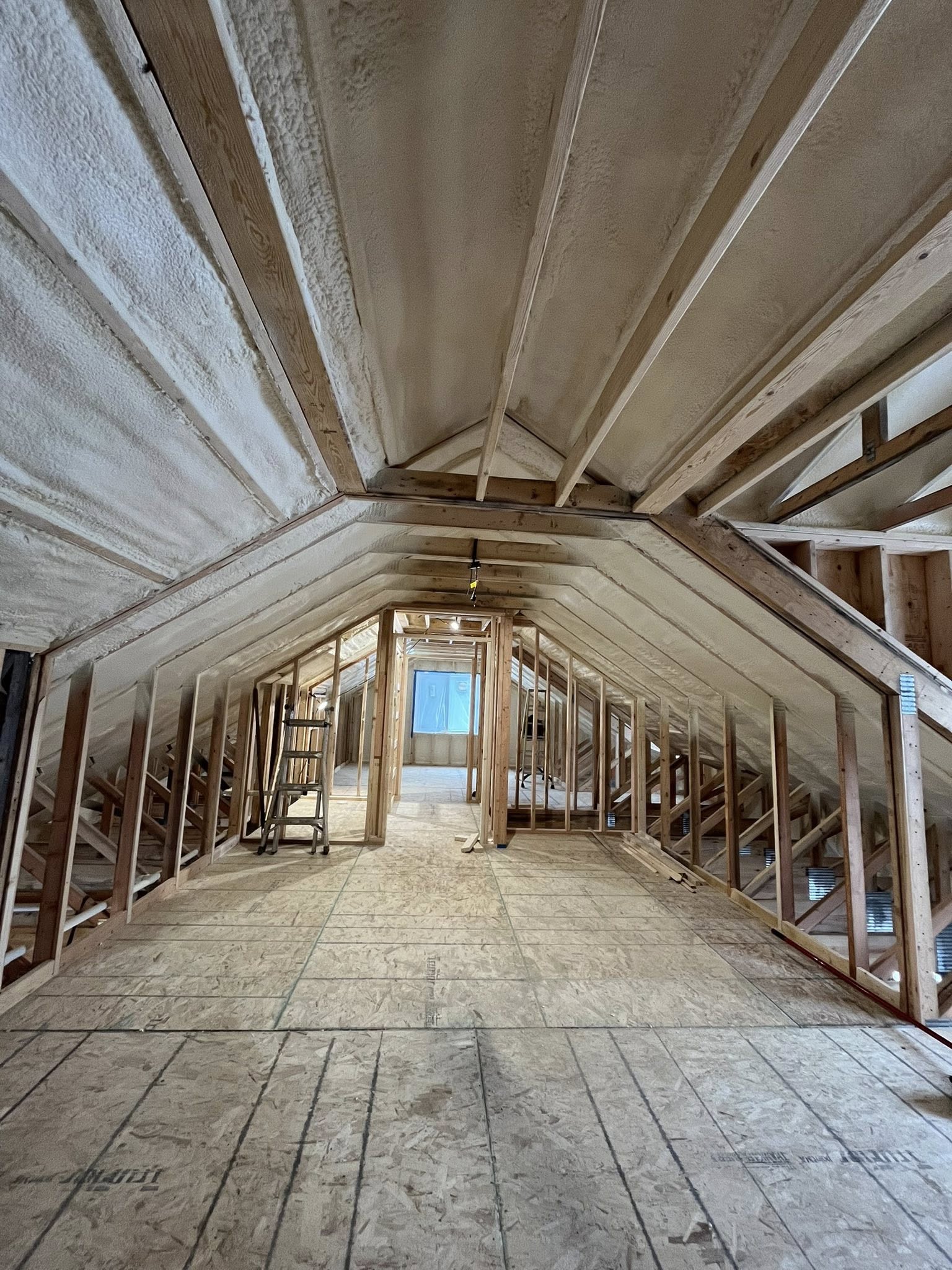
Spray Foam vs. Traditional Insulation: Which is Right for You? Jun 10, 2026
When it comes to energy efficiency, spray foam insulation often takes the lead. It expands upon application to fill every nook and cranny, providing a seamless barrier against air leaks, moisture, and allergens. This attribute not only boosts your building's energy efficiency but also contributes to a quieter, more comfortable indoor environment. In contrast, traditional insulation methods such as fiberglass often come in batts or rolls that are cut to fit into spaces, potentially leaving gaps that can allow air and moisture to pass through.
Cost is another factor that heavily influences the choice of insulation. Upfront, spray foam can be more expensive than traditional options. However, it often results in significant long-term savings due to its superior insulating properties and longevity. Spray foam can last as long as the structure itself, while traditional insulation may require regular replacement and maintenance. Therefore, while the initial expenditure for spray foam might be higher, the potential for energy savings and reduced maintenance costs could make it a more cost-effective solution over time.
The installation process also varies considerably between these insulation types. Spray foam requires professional installation due to its precise application and the need for specialized equipment. It’s applied as a liquid that expands and hardens, which means it requires expert handling to ensure optimal performance and safety. On the other hand, traditional insulation like fiberglass can be installed by homeowners themselves, which might seem economical upfront. However, improper installation can reduce the effectiveness of the insulation, negating any cost savings.
Environmental impact is another consideration. Spray foam insulation, particularly the newer formulations, is often made with environmentally friendly compounds that do not deplete the ozone layer. Additionally, its effective sealing properties mean reduced energy consumption, which is beneficial for both the environment and your utility bills. Traditional insulation, while more affordable, may not offer the same level of environmental benefits unless specifically noted as eco-friendly.
Ultimately, deciding between spray foam and traditional insulation depends on your specific requirements and future plans. If you prioritize long-term savings, enhanced energy efficiency, and environmental benefits, spray foam insulation might be the right choice. Conversely, if you are working within a tight budget and need a quick, do-it-yourself solution, traditional insulation might be more suitable.
In conclusion, both spray foam and traditional insulation have their distinct advantages and challenges. It's essential to consider factors like energy efficiency, cost, installation, and environmental impact when making your decision. At Schwartz Spray Foam Services, we’re committed to helping you make an informed choice that aligns with your goals and budget. For professional guidance and installation services, reach out to our expert team today. We’re here to ensure your space is optimally insulated for comfort and efficiency, no matter the season.
/filters:no_upscale()/filters:format(webp)/media/a707d66e-1a6d-40ea-9614-52f50ec74704.jpeg)